Why Smaller Senior Care Homes Are the Future of Compassionate Dementia Care
Business Name: BeeHive Homes of Draper
Address: 711 Pioneer Rd, Draper, UT 84020
Phone: (801) 495-3100
BeeHive Homes of Draper
Full service assisted living facility serving southern Salt Lake County offering all-inclusive Memory Care, Assisted Living, and Senior/Adult Day Care services.
711 Pioneer Rd, Draper, UT 84020
Business Hours
Families rarely prepare for dementia care. It generally gets here as a sluggish series of "little" changes: a pot left boiling, a forgotten appointment, a parent who always enjoyed hosting supper now declining to leave your home. In the beginning, everybody tells themselves it is regular aging. Then, nearly overnight, it is not.
I have sat at lots of cooking area tables with spouses and adult kids looking at a blank note pad, trying to figure out whether assisted living, memory care, respite care, or personal in home support is the next ideal action. The hardest part is not the medical language. It is the fear that your loved one will end up being lost in a system that treats them like a diagnosis, not a person.
That worry is what presses more families and experts toward smaller sized senior care homes, especially for dementia care. These homes are not a pattern. They are an action to what has not operated in conventional big centers, and a peaceful go back to something very old and really human: care constructed around relationships, not buildings.
What "Smaller Senior Care Houses" Actually Are
People use different names: residential care homes, board and care, adult family homes, little group homes, or merely "your house on Maple Street that takes six homeowners." The terminology varies by state, but the core concept is similar.
A smaller senior care home normally:
- Serves a restricted variety of residents, frequently between 4 and 16.
- Operates in a house or home-like building, not a big campus.
- Offers assisted living level support, in some cases with devoted memory care.
- Provides 24/7 staffing, however with fewer layers of management and less institutional structure.
Licensing categories differ. Some are licensed as assisted living, some as adult care homes, some as specialized dementia care. In numerous states, these homes can provide advanced dementia care, including behavioral support, assistance with all activities of daily living, and end of life care, as long as they fulfill regulative standards.
Families sometimes assume "small" implies "less capable." In practice, when done well, small frequently suggests more adaptable, more individual, and more lined up with what life with dementia really looks like.
Why Conventional Big Facilities Struggle With Dementia
Large senior care communities have strengths. They can use on website physical treatment, robust activity calendars, several dining venues, and on call nursing. For some older adults who are still relatively independent, that environment works really well.
For advanced dementia care, however, size ends up being a liability.
The initially obstacle is sensory overload. Many memory care wings are developed as safe systems within huge assisted living structures. Residents leave of their spaces into a bright, busy passage, with paging systems, cleaning carts, personnel hurrying to respond to numerous call lights, and tvs running all day. For a brain already having a hard time to filter information, this relentless stimulation can feel like an assault.
The second difficulty is staffing patterns. In a large memory care unit of 30 locals, you might see 2 to 3 caregivers on the floor plus a nurse, often less on graveyard shift. Even when everybody is competent and caring, their attention is extended thin. Scheduled tasks take top priority: morning care, medications, meals, assisted toileting. Quiet emotional needs, subtle modifications in habits, or the early indications of a urinary infection can be simple to miss up until they become crises.
The third challenge is institutional culture. When an environment operates at that scale, it typically counts on rules and regimens to keep things safe and orderly: set wake up times, repaired showers days, big group activities, rigid medication passes. These routines are not inherently bad, however dementia does not follow a schedule. The person who sundowns might be most relaxed at 10 p.m. The resident who was always a night owl does not all of a sudden end up being a "lights out at 8" person. Large systems struggle to bend around private histories.
Over time, I have actually seen how these structural limitations equate into human pain: citizens labeled "resistant" or "agitated" because they pull away in crowded dining rooms, or households pressed to start antipsychotic medications for behaviors that might react to quieter environments and more consistent one to one connection.
Smaller homes are not a magic repair, however they have more space to prioritize the rhythms of reality over the requirements of a huge operation.
How Smaller sized Homes Change the Dementia Care Experience
Picture 2 various mornings.
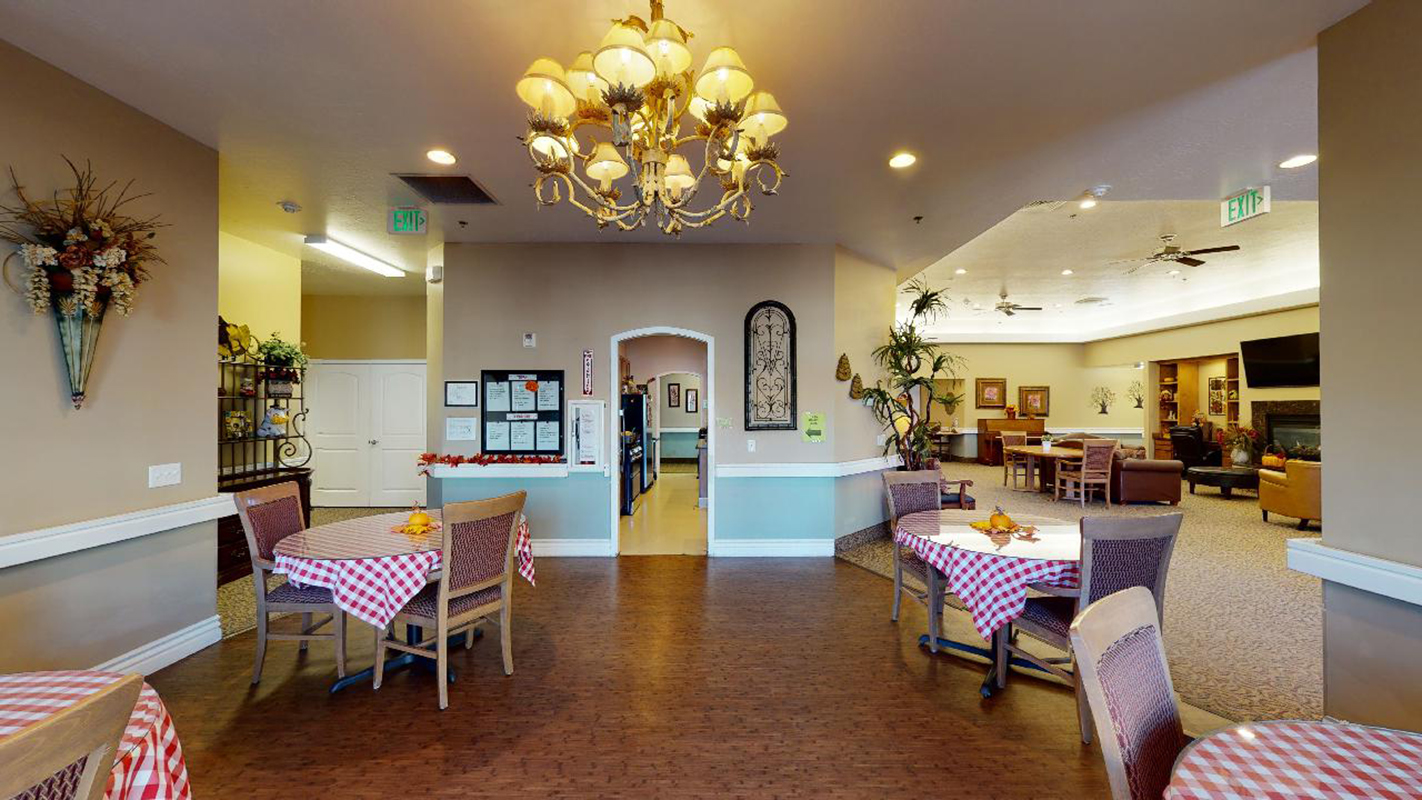
In the very first, a caregiver working in a 40 bed memory care system begins at 7 a.m. They have ten locals to get up, dressed, and to breakfast before the kitchen area closes its early seating. They knock, flip on lights, motivate people to hurry, and try to keep everybody moving while calming those who withstand. They are doing their finest, but speed is the hidden rule.
In the 2nd, a caregiver in an 8 bed residential home strolls into the typical location at 7 a.m. 2 residents are currently awake, sitting by the window. They begin coffee, switch on some soft jazz, and sit for a few minutes while everyone totally wakes up. Breakfast occurs over an extended window. One resident likes toast at 7, another chooses eggs at 9 when she finally roams out in her robe. The caretaker adjusts as they go.
The variety of residents is the most apparent difference, but the much deeper shift remains in how time works. Little homes can move at human speed.
For dementia care, this flexibility modifications whatever:
Residents experience less forced transitions in a day. Personnel can approach care jobs when the individual is more responsive, not simply when the schedule demands it. Which, in turn, typically reduces the agitation therefore called "habits issues" that drive medication usage and healthcare facility transfers.
Relationship as the Core Treatment
Documents list "dementia care" as a service line, but what helps many people with dementia is not a program. It is relationship.
In a smaller sized home, staff typically take care of the exact same small group of citizens day after day. They learn who utilized to work swing shift and prefers late nights, who relaxes when you talk about their old garden, who will just take medications if you sit beside them and chat first. Dementia affects memory and language, however it does not erase an individual's need to be known.
Families typically inform me that in larger settings they felt like "just another chart." They needed to reintroduce their parent's story to every turning caretaker. In small homes, I have actually enjoyed caregivers and residents develop a peaceful shorthand that looks like family life: a hand immediately grabbing the ideal sweater, a staff member humming an old hymn while helping somebody with a bath, a look that says "it's time for your afternoon walk" without a word spoken.
That continuity matters for security too. The caretaker who has invested months with your mother will notice that she is simply a bit quieter today, or taking much shorter steps, or choosing at her food. Subtle modifications like that are frequently the earliest signs of infection or pain. In my experience, smaller sized homes tend to capture those shifts previously, not due to the fact that they have more innovation, but since they have more eyes that genuinely know each person.
Emotional Security for Residents Who Are "Excessive" for Larger Facilities
One of the hardest call households get is the notice that their loved one is being "released" from a memory care neighborhood for behaviors. Perhaps he was wandering into other spaces, or she started out at a caretaker during a shower, or he started chewing out night. From the facility's point of view, they must keep everyone safe. From the household's viewpoint, it feels like rejection at the moment they most require help.
Smaller homes often concentrate on precisely these situations. With less locals and a calmer environment, they can approach difficult behaviors with more imagination and persistence. Instead of saying, "Mr. Thompson is combative," I have heard personnel state, "He gets terrified when 2 people approach him at the same time. Let me attempt entering alone and talking about his old truck first."
There are less strangers coming and going, which can lower paranoia and skepticism. Restrooms and bed rooms are nearby, so individuals do not have to navigate long corridors when they are already disoriented. Alarms and cams, when utilized, can be more discreet. The environment is less like a locked unit and more like a secure home.
This does not imply little homes can or need to accept every behavior. Severe aggressiveness, severe psychiatric conditions, or complex medical needs might still require customized settings or health center based geriatric psychiatry. The distinction is that small homes often have more alternatives to adjust day-to-day regimens, individualize care approaches, and coordinate with outside clinicians before deciding a move is necessary.
The Role of Routine, Familiarity, and Environment
Dementia shrinks an individual's world. New locations, loud noises, and frequent staff modifications can feel overwhelming. A smaller sized senior care home minimizes the variety of variables an individual needs to process every day.
Environmentally, the distinctions are easy but effective:
Rooms in little homes generally open into a central living space, not a long passage. Locals can see the kitchen area, smell food cooking, and orient to every day life with their senses, even if their memory is fading. There are fewer doors that all look the very same, so individuals are less likely to get lost looking for the bathroom.
Furniture tends to look like it came from a genuine home. Upholstered chairs. A table where everyone can see each other. Possibly a pet bed in the corner. This is not just decorative. It hints the brain: this is a safe place where people live, not visit.
Routine establishes more naturally. Breakfast might happen in waves. Some locals choose to enjoy the very same television program every afternoon. Staff can maintain those small habits that hold meaning. Dementia care research has actually revealed that protecting familiar patterns, even in little ways, minimizes anxiety and can slow the spiral of functional decline.
The point is not to develop a fake "1950s neighborhood" theme. The point is to construct a genuine environment where daily life looks, sounds, and smells like living, not like being warehoused.
Staffing Truths: Ratios, Turnover, and Burnout
Families typically ask me for a single number: "What personnel ratio should I search for?" The sincere answer is that ratios alone do not ensure quality. I have actually seen 1 to 5 ratios in large settings that still felt rushed, and 1 to 10 circumstances where stable, extremely knowledgeable caretakers delivered exceptional care.
That said, smaller homes generally operate with structurally lower ratios, often 1 staff to 4 or 6 residents throughout the day, especially in memory focused homes. Night personnel may be one awake caretaker for 6 to 8 citizens, sometimes 2 for higher acuity homes. Due to the fact that everybody shares the same common area, a single caregiver can keep eyes on folks while cooking breakfast or folding laundry.
Equally important is how personnel feel about their work. In big facilities, caretakers frequently report sensation like they are on an assembly line. They might care deeply about homeowners, however they hardly ever have time to stop and talk. Burnout follows, and with burnout comes turnover, which then destabilizes residents.
In smaller senior care homes, caretakers frequently describe their environment as "more like household." They tend to do a broader range of jobs: cooking, cleansing, personal care, companionship. For some workers, that is a downside; they choose the clear task boundaries of a huge facility. For others, especially those drawn to relationship focused dementia care, it is a significant benefit.
Lower turnover brings consistency. Residents with dementia cope much better when they see the same faces every day. Families have a single, familiar individual they can call and trust. And managers can coach staff on innovative dementia techniques understanding those skills will stick with the same team.
Of course, there are exceptions. Some little homes are badly run, understaffed, or underpaid, which leads to their own turnover issues. The little size does not inherently fix weak leadership. This is why on website visits, discussions with staff, and frank questions about turnover matter more than shiny brochures.
Cost, Value, and Trade Offs
One uncomfortable truth: high quality dementia care is expensive in nearly any setting, mostly because it is labor intensive. Smaller sized homes can be more inexpensive than luxury assisted living memory care systems, however they are seldom cheap.
Pricing models in small homes differ. Some charge a flat month-to-month rate that consists of space, board, and care. Others have a base rate plus tiered care charges based upon just how much help a resident requirements. Lots of private pay homes fall anywhere from the mid three thousands to eight thousand dollars each month or more, depending on region and level of care.
Where families frequently see worth is in fewer "hidden" costs. In big assisted living, the marketing rate might look manageable, however additional charges for medication administration, escorts to meals, or incontinence assistance can rapidly add thousands each month as dementia progresses. In little homes, those assistances are generally bundled into the core service.
Medicaid coverage is made complex. Some states have waiver programs that pay for residential care homes or adult household homes. Others restrict Medicaid to nursing homes or need particular agreements with smaller service providers. Veterans advantages, long term care insurance coverage, and state particular subsidies can likewise play a role. It is essential to ask each home, "How many of your residents are personal pay, Medicaid, or other financing sources?" and "What takes place if my loved one invests down their cost savings?"
There are trade offs. A smaller home will not have on website physical treatment gyms or numerous restaurants. If your loved one is extremely social, they might miss out on the series of activities that a large school can offer. If they still take pleasure in big group occasions, smaller sized settings may feel too quiet.
For moderate to innovative dementia, nevertheless, those big scale amenities frequently go unused, while the peaceful attention of a caretaker who truly understands your loved one becomes priceless.
When a Larger Setting Might Make More Sense
The objective is not to glamorize small homes as the right answer for everyone. There are situations where a larger senior care community may be a much better fit.
If your loved one remains in the early phases of cognitive decline, still independent in most daily tasks, and craving robust social interaction, a larger assisted living community with strong memory assistance programs may be ideal. They can sign up with motion picture nights, workout classes, and trips while having aid in the background.
People with really intricate medical requirements, such as frequent IV treatments, advanced injuries, or ventilator support, frequently need competent nursing facilities. Some little homes partner closely with home health and hospice companies, but they are not hospitals. It is very important to clarify what medical services they can realistically handle.
Geography matters too. In rural regions, there might be just one or more little homes within sensible driving range, and they might be complete. Larger facilities in some cases have more accessibility and more transportation alternatives for appointments.
The secret is to match the environment to the individual's stage of dementia, health profile, history, and personality. Smaller homes shine specifically for people who:
- Are easily overwhelmed by noise or crowds.
- Have moderate to advanced dementia with substantial care needs.
- Have experienced behavioral concerns or "stopped working placements" in larger memory care settings.
What to Look For When Examining a Little Dementia Care Home
Walking into a residential care home tells you more than any brochure. A quick psychological checklist on your first visit can assist you concentrate on what truly anticipates quality.
- Atmosphere: Do you feel like you are walking into a home or a tiny institution? Are citizens out in the typical locations, doing regular things, or isolated in spaces and strapped in front of televisions?
- Staff interactions: Watch how caregivers speak with citizens. Do they use people's preferred names? Do they speak respectfully, at eye level, without hurrying? Notification body movement, not just words.
- Cleanliness and safety: Are floors clear, bathrooms accessible, and get bars well put? Does your house smell reasonably clean, not greatly masked with air freshener?
- Flexibility of routine: Ask how they handle homeowners who sleep late, roam during the night, or resist showers. Do their answers sound practical and personalized, or rigid and rule bound?
- Transparency: Are they open about prices, staffing ratios, training, and how they react to medical changes or hospitalizations? Unclear, evasive responses are red flags.
Returning for an unannounced visit at a various time of day, especially nights, can give you a more sensible picture. Early mornings are frequently the "best habits" window for tours.
Integrating Respite Care and Transition Planning
Smaller senior care homes are also effective tools for respite care. Caring in your home for somebody with dementia is a marathon. Even the most devoted spouse or adult child needs breaks that are longer than an afternoon.
Some residential homes use short-term stays of a week or a month, especially when they have an open space. This enables the individual with dementia to experience the environment without making an immediate long-term move. It likewise provides families a real sense of how staff handle tough behaviors, nighttime needs, or medical issues.
I have actually seen families utilize respite tactically:
A daughter caring for her father with Lewy body dementia arranged a 10 day respite remain every three months. Initially he withstood, however staff at the little home discovered his routines and preferred stories. By the third stay, he was greeting familiar caretakers with a smile. When his child's health declined and an irreversible move ended up being required, the shift was gentle, not abrupt, due to the fact that the home was currently part of his mental map.
Early use of respite likewise develops choices. A lot of families wait until a full blown crisis forces placement on someone else's terms. Checking out little homes before you are desperate lets you select based upon fit, not accessibility at 3 a.m. After an ER incident.
How Little Residences Collaborate With Families and the Wider Care Team
Dementia care works best as a group sport. That group often includes the primary care doctor, neurologist or geriatrician, home health or hospice services, therapists, and obviously the family.
Smaller homes tend to involve families more straight in daily choice making. You might get a text with a photo of Dad assisting fold towels, or a phone call asking whether Mom has constantly preferred soft foods. Care strategy meetings feel like discussions around a table, not official conferences in a conference room.
Because layers of administration are thinner, modifications can happen much faster. If you point out that your hubby has constantly listened to jazz while shaving, personnel can attempt including music to his morning routine the next day. If you discover that your mother seems chillier and more withdrawn on recent visits, the manager can collaborate an anxiety screening with her medical professional that week.
That said, excellent little homes likewise set healthy limits. They invite cooperation, however they also safeguard personnel from unrealistic expectations, like consistent texting or everyday needs for long phone updates. The best relationships outgrow shared regard and clear interaction about what each side can provide.
Looking Ahead: Why the Future Is Smaller Sized, Not Colder
Demographic realities ensure that dementia will shape senior look after years. Advances in medicine can postpone some kinds of decline, however they do not remove the main truth that more individuals will live enough time to experience cognitive changes.
Big, multi level senior living schools will continue to exist and serve important roles. Yet the most humane reactions to dementia appear to be relocating the opposite direction: smaller sized, more individual, more home based.
Policy makers are starting to notice. Some states are piloting "Green House" style nursing homes with 10 to 12 locals, shared kitchen and living spaces, and universal employees who do whatever from individual care to cooking. Others are broadening Medicaid waivers to spend for adult family homes or small residential designs. These changes move the system better to what families already say they want: settings where their loved ones are treated as next-door neighbors, not space numbers.
For companies, smaller homes need a different state of mind. Success rests less on marketing interiors and more on recruiting and retaining caregivers who really like older grownups, particularly those with dementia. Training matters, however so does character. An employee who can laugh when a resident hides assisted living beehivehomes.com socks in the freezer, instead of scold, deserves more than any costly décor.
For families, the shift means asking better questions. Instead of beginning with "Does this neighborhood have a movie theater and bistro?" start with "How many homeowners will my mother share this area with?" "Who will know her story?" "What takes place here at 2 a.m. On a rainy Tuesday when she can not sleep and wishes to go home?"
When those questions lead you down a peaceful residential street to a single story home with a ramp to the front door, curtains in the windows, and a caregiver welcoming you by name, do not let the modest exterior fool you. Inside, reality is unfolding: someone stirring a pot on the stove, someone helping a resident discover her favorite sweater, somebody sitting at the table holding a hand that trembles.
That is what compassionate dementia care looks like when we let scale follow need, instead of the other method around. Which is why the future of senior care, specifically assisted living and memory care, is likely to grow smaller, more local, and more deeply human.
BeeHive Homes of Draper provides assisted living care
BeeHive Homes of Draper provides memory care services
BeeHive Homes of Draper provides respite care services
BeeHive Homes of Draper supports assistance with bathing and grooming
BeeHive Homes of Draper offers private bedrooms with private bathrooms
BeeHive Homes of Draper provides medication monitoring and documentation
BeeHive Homes of Draper serves dietitian-approved meals
BeeHive Homes of Draper provides housekeeping services
BeeHive Homes of Draper provides laundry services
BeeHive Homes of Draper offers community dining and social engagement activities
BeeHive Homes of Draper features life enrichment activities
BeeHive Homes of Draper supports personal care assistance during meals and daily routines
BeeHive Homes of Draper promotes frequent physical and mental exercise opportunities
BeeHive Homes of Draper provides a home-like residential environment
BeeHive Homes of Draper creates customized care plans as residents’ needs change
BeeHive Homes of Draper assesses individual resident care needs
BeeHive Homes of Draper accepts private pay and long-term care insurance
BeeHive Homes of Draper assists qualified veterans with Aid and Attendance benefits
BeeHive Homes of Draper encourages meaningful resident-to-staff relationships
BeeHive Homes of Draper delivers compassionate, attentive senior care focused on dignity and comfort
BeeHive Homes of Draper has a phone number of (801) 495-3100
BeeHive Homes of Draper has an address of 711 Pioneer Rd, Draper, UT 84020
BeeHive Homes of Draper has a website https://beehivehomes.com/locations/draper/
BeeHive Homes of Draper has Google Maps listing https://maps.app.goo.gl/LgtrXf95hQFVgKrY8
BeeHive Homes of Draper has Facebook page https://www.facebook.com/BeeHiveDraper/
BeeHive Homes of Draper won Top Assisted Living Homes 2025
BeeHive Homes of Draper earned Best Customer Service Award 2024
BeeHive Homes of Draper placed 1st for Utah Senior Living Communities 2025
People Also Ask about BeeHive Homes of Draper
What is BeeHive Homes of Draper Living monthly room rate?
Our monthly rates for both Assisted Living and Memory Care at BeeHive Homes of Draper are thoughtfully designed to be all-inclusive. While pricing reflects each resident’s unique care needs, families appreciate that once a rate is established, it remains stable - no hidden fees or surprise increases as care evolves. We believe in clarity, consistency, and peace of mind
Can residents stay in BeeHive Homes of Draper until the end of their life?
In many cases, yes. We are honored to support residents throughout their journey, including end-of-life care, right here in the comfort of our Draper home. There are rare occasions when medical needs exceed our licensing (such as 24-hour skilled nursing) but we’ll always guide families through any transition with care and compassion
Do we have a nurse on staff?
Yes, we do. Our Registered Nurse, Jacque Parker, R.N., works closely with local home health nurses and house-call physicians to coordinate excellent care. This collaboration allows us to meet a wide range of health needs right here at home
What are BeeHive Homes of Draper's visiting hours?
We know how important it is to stay close to loved ones. That’s why visiting hours at our Draper home are flexible and designed around what works best for the resident. You’re welcome to visit during the day... just try not to come to early and stay too late
Do You Offer Rooms for Couples?
Yes, we do! BeeHive Homes of Draper offers select suites for couples who wish to continue living together while receiving care. These shared accommodations preserve comfort and connection while ensuring both individuals get the personalized support they need. Availability is limited, so reach out to learn more
Do You Provide Senior Day Care or Respite Services?
Absolutely. Our senior day care and short-term respite care options are perfect for families who need extra help during the day or while traveling. Guests enjoy the same high-quality care, engaging activities, and home-cooked meals as our full-time residents, all in a safe, social environment. We’ll help you find a care plan that fits your schedule and your loved one’s needs.
What’s the Difference Between Assisted Living and Memory Care?
Assisted living is best for seniors who benefit from help with daily activities but still enjoy socializing and independence. Memory care is a more structured service tailored to individuals with Alzheimer’s or other cognitive conditions, with routines, guidance, and security that support safety and emotional well-being.
Where is BeeHive Homes of Draper located?
BeeHive Homes of Draper is conveniently located at 711 Pioneer Rd, Draper, UT 84020. You can easily find directions on Google Maps or call at (801) 495-3100 Monday through Sunday Open 24 hours
How can I contact BeeHive Homes of Draper?
You can contact BeeHive Homes of Draper by phone at: (801) 495-3100, visit their website at https://beehivehomes.com/locations/draper/ or connect on social media via Facebook
Conveniently located near BeeHive Homes of Draper Cinemark Draper a great movie theater with full food & drink menu. Catch a movie and enjoy some great food while you wait.